top of page
Sonic Topographies is a survey of sound exploring the auditory landscape of a given area. By recording the soundscape over a period of time and distilling the information into an average tone, similar to identifying the average color in a picture, the soundscape changes into a unique visual representation for viewers to engage with without needing to hear it.
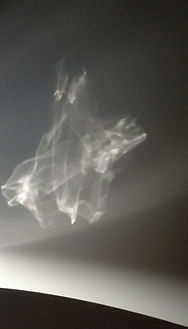
The wavelength of the tones are translated into glass discs reminiscent of a Fresnel lens and the glass used is collected off the street in the same sample area used during the recordings. As light passes through the lens, it refracts onto a wall, creating a captivating visual display that reflects the essence of the specific area.
Sonic Topographies’ purpose is to provide a deeper understanding of an area's soundscape, beyond the need for auditory perception. Drawing from my personal experiences living in wilderness areas, I'm driven by a curiosity about how human activities are reshaping our sonic environments. How does the composure of a natural space compare to the cacophony of a built environment? What sound contrasts exist between Coral Gables’ constant landscaping crews and an inner-city districts’ construction? By converting sounds into visual forms, I believe it is possible to educate people about acoustics, urban planning, and environmental science.


A n t h o n y M a g n e t t i
bottom of page